No Saudi garden is truly complete without the regal silhouette of a palm tree. Perfectly adapted to the central region’s intense sun, low rainfall, and alkaline soil, palms are the structural centerpiece of modern desert landscaping.
Whether you want sweet seasonal dates, sweeping tropical fronds, or a compact poolside statement piece, selecting the right palm variety makes all the difference.
1. Top Palm Tree Varieties for Saudi Gardens
Not all palms handle extreme heat the same way. Here are the top three varieties proven to thrive in Saudi climates:
A. Date Palm (Phoenix dactylifera)
- Best For: Authentic local heritage, shade, and fresh fruit production.
- Characteristics: Reaches up to 15–20 meters with classic gray-green, feathery fronds.
- Why It Works: Highly tolerant of drought and salty, sandy soil. Varieties like Sukari, Ajwa, or Khalas add cultural value alongside shade.
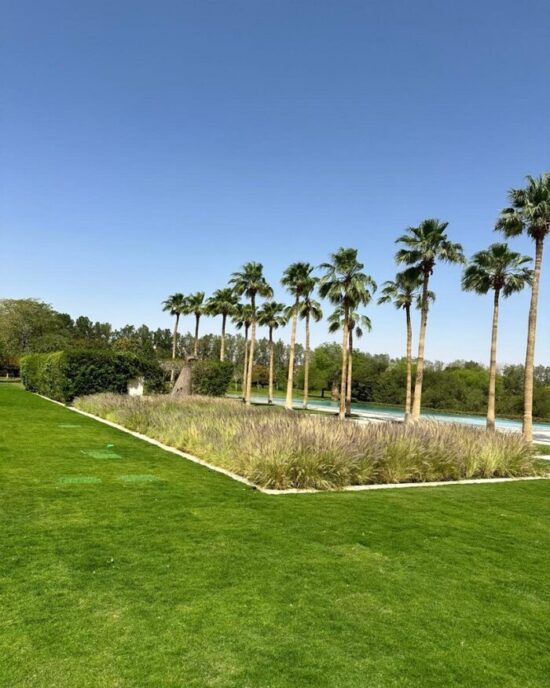
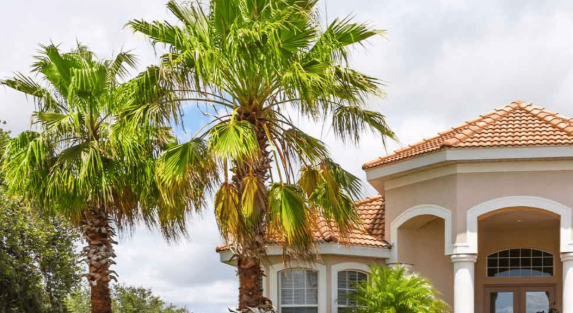
B. Mexican Fan Palm / Washingtonia (Washingtonia robusta)
- Best For: Architectural height, driveways, and grand entrance walkways.
- Characteristics: Fast-growing with fan-shaped leaves and tall, slender trunks.
- Why It Works: Extremely heat-hardy and wind-resistant. It thrives in full desert sun with minimal fuss.
C. Dwarf Date Palm (Phoenix roebelenii) or Bismarck Palm (Bismarckia nobilis)
- Best For: Patios, poolside areas, and smaller residential gardens.
- Characteristics: Compact growth with dramatic silver-blue (Bismarck) or deep green delicate fronds (Dwarf Date).
- Why It Works: Gives a lush luxury resort look without towering over single-story residential villas.
2. Key Benefits of Landscaping with Palms
- Natural Microclimate & Shade: Large fronds block direct sunlight, lowering ground ambient temperatures by up to 3°C–5°C around your patio or outdoor seating areas.
- Unbeatable Heat Tolerance: Unlike delicate flowering trees that drop leaves during 45°C+ summer peaks, established palms maintain their lush foliage year-round.
- Erosion Control: Deep, fibrous root networks anchor loose sandy soil during heavy dust storms or rare winter rain downpours.
- Low Maintenance Water Needs: Once rooted, palms require significantly less water per square meter than turf lawns or flowering hedges.
3. Essential Maintenance Practices
To keep your palm trees healthy and vibrant through every season, follow this maintenance routine:
Irrigation Setup
- Deep Drip Watering: Use deep drip lines positioned at the root drip-line (not against the trunk).
- Summer Schedule: Water deeply 2 to 3 times per week (30–60 liters per mature tree per watering).
- Winter Schedule: Reduce to once every 7 to 10 days.
Pruning & Care
- Cut Only Brown Fronds: Never remove yellow or light green fronds—they provide vital nutrients to the tree. Trim dead fronds close to the trunk every autumn.
- Protect Against Pests: Watch closely for the Red Palm Weevil (Rhynchophorus ferrugineus). Look for oozing sap, sawdust-like frass around frond bases, or wilting central crowns. Treat preventatively with organic trunk injections or sprays twice a year.
- Nutrient Boost: Apply slow-release organic fertilizer rich in Nitrogen, Potassium, and Magnesium in early spring (March) and autumn (October).